
The Plumber Shortage Is Real, and Waiting for Applicants Isn't a Strategy Anymore
Industry projections put the national plumber shortage at more than half a million workers. Shops that are still growing say they stopped waiting for experienced hires to apply and started building their own pipeline instead.
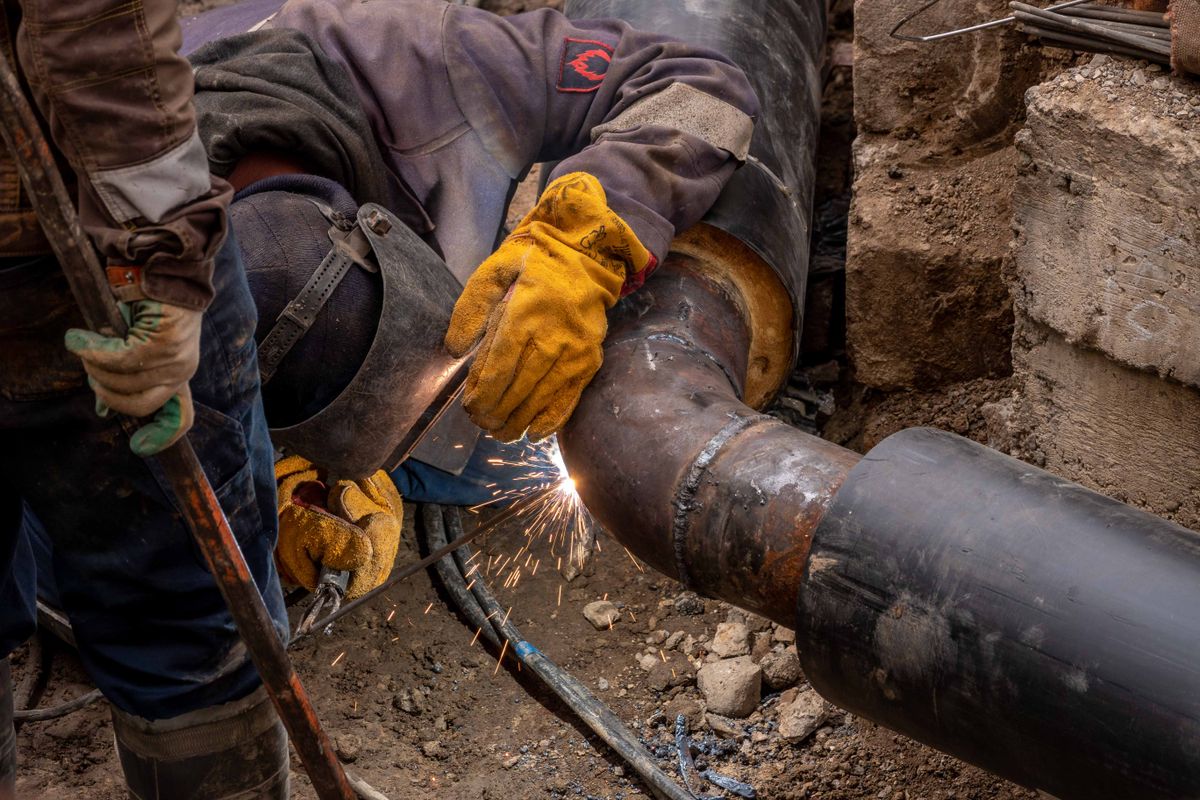
The numbers behind the plumber shortage are not subtle. Industry analysis commissioned by the Plumbing Manufacturers International trade group, drawing on research from John Dunham & Associates, has put the national plumber shortfall at more than 500,000 workers, with the gap estimated to cost the broader economy tens of billions of dollars a year in delayed construction, longer repair wait times, and higher prices. More than one in five plumbers working today is over the age of 55, which means a meaningful share of the trade's current capacity is approaching retirement over the next decade, not entering the workforce. The U.S. Bureau of Labor Statistics projects modest overall job growth for plumbers, pipefitters, and steamfitters through the mid-2030s, with tens of thousands of openings a year, but a projection of open jobs is not the same thing as a projection of qualified people to fill them.
For an individual shop owner, that macro picture translates into something very concrete: posting a job listing and waiting for a licensed journeyman to apply is an increasingly unreliable way to grow.
Roughly how many inbound calls do you take in a week?
Tap to start. 5 quick questions, then see your monthly number.
Why the applicant pool dried up
Plumbing is not alone in this. Skilled trades broadly have spent a generation losing ground to a cultural push toward four-year degrees, and the pipeline of young people entering apprenticeship programs has not kept pace with the number of experienced tradespeople aging out. Add in a licensing and apprenticeship system that in most states takes years to produce a fully licensed plumber, and the result is a labor market where demand for experienced technicians consistently outpaces supply, which shows up for operators as longer time-to-fill on open positions, more aggressive counteroffers from competitors trying to poach existing staff, and rising wage pressure across the board.
What shops that are still growing are doing differently
Operators who have kept crews staffed through this environment tend to describe a shift away from recruiting experienced hires and toward building talent internally. That usually starts with an apprenticeship track that is treated as a real program rather than an informal arrangement where a green hire shadows a journeyman until something clicks. Partnerships with local trade schools and community college programs give shops a earlier look at people entering the field, sometimes before they have even finished their coursework, and a documented, staged path (apprentice to journeyman to master, with clear milestones and pay increases attached to each stage) gives new hires a visible reason to stay rather than jump to a competitor for a modest raise the moment they are licensed.
You cannot hire your way out of a shortage that's this structural. You have to grow your own.
Retention is the other half of the math
Hiring is only half the problem, and operators who have thought hardest about this point out that a shortage this severe makes retention just as urgent as recruiting, because every experienced tech who leaves is disproportionately expensive to replace in a market this tight. The retention levers that come up most often in operator conversations are not exotic: predictable schedules that do not require constant unpaid on-call availability, a clear path to higher pay tied to skill and license level rather than tenure alone, and a working environment where techs are not sent into inefficient routes that waste hours of a paid day sitting in traffic between jobs.
Culture matters here in a way that is easy to dismiss as soft but shows up in the numbers. A technician who feels like a name on a truck schedule rather than a person with a say in how their day is routed is a technician who takes a call from a competitor seriously. Several operators describe involving senior techs in mentoring apprentices, not just as a training mechanism but as a retention one, giving experienced staff a sense of investment in the business's future rather than a treadmill of service calls with no end in sight.
The honest state of the labor market
None of this makes the underlying shortage go away. A shop that builds a strong apprenticeship pipeline is still competing for a shrinking pool of available training capacity, and building a technician from apprentice to fully licensed still takes years, not months, regardless of how well the program is run. What operators who are managing through this well share in common is that they stopped treating hiring as a reactive process, triggered only when someone quits, and started treating it as a standing part of running the business, with a pipeline that produces new capacity on a schedule rather than a scramble. In a labor market this tight, that head start is close to the whole game.
Most shops lose more booked work at the phone than they realize. See your monthly number.
See my number →